
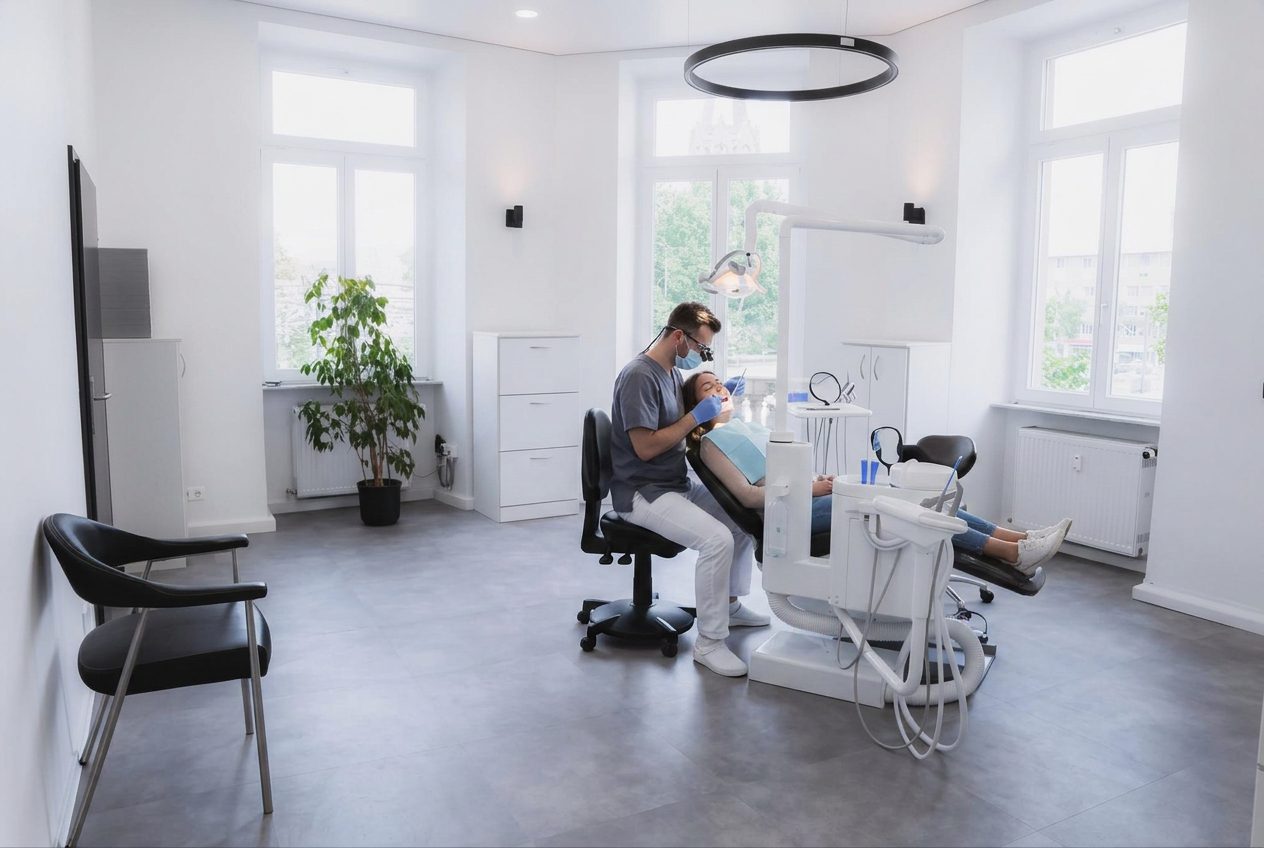
Buying and selling healthcare practices in Florida and Illinois
Overview
I represent owners and buyers of healthcare practices in Florida and Illinois: dental, physician, veterinary, optometry and medical spa practices, including sales to DSOs and other corporate buyers. Most of these deals run from $500K to $5M. A practice deal has the business terms of any acquisition plus a regulatory layer: who may own the practice, how licenses and permits are handled, how patient records move, and which referral laws shape the price and the payment terms. Consultations are available in English and Spanish. My office is in Lake Worth Beach, in Palm Beach County.
What I handle on a practice deal
- Confidentiality agreements and letters of intent
- Asset purchases and stock or membership-interest purchases
- Associate and partner buy-ins and buy-outs
- Sales to DSOs and corporate buyers, including management services agreements, rollover equity and employment terms
- Ownership and clinic-licensing review before the letter of intent
- Lease assignments, non-competes, employment agreements and transition terms
- Patient records, permits, DEA registrations and the other steps a change of ownership triggers
Practices I work with
Each profession has its own ownership rules, permits and records requirements, so each has its own page:
- Dental practices: sales, acquisitions, associate buy-ins and second locations. Florida limits ownership of a dental practice to dentists and dentist-owned professional entities.
- DSO and corporate sales: selling to a DSO or corporate buyer, with the management services agreement, rollover equity and employment terms negotiated together.
- Physician practices: solo and group practice sales, buy-ins and investor deals, checked against the Health Care Clinic Act and the referral laws.
- Veterinary practices: sales and acquisitions, including the premises permit, the DEA steps and associate covenants.
- Optometry practices: sales and acquisitions with or without an optical retail business, including vision-plan contracts and inventory.
- Medical spas: buying and selling a med spa, including clinic licensing, supervision and the medical director agreement.
Selling a healthcare practice in Florida
A practice sale starts well before a buyer sees the numbers. I help you prepare the financials and the add-backs a buyer’s diligence will test, review the lease for assignment terms, and settle price, structure, exclusivity and your transition period in the letter of intent. The non-compete, the patient-record notice and the permits and registrations that change with ownership are built into the closing checklist. For a covenant given on the sale of a practice, Florida presumes 3 years or less reasonable and more than 7 years unreasonable (s. 542.335(1)(d)3, Fla. Stat., as of October 2026). For the sale process in general, see business sale attorney in Florida.
Buying a healthcare practice in Florida
Buying a practice, or buying out a retiring owner, turns on what due diligence finds: collections and payor mix, equipment, the lease, staff agreements, malpractice coverage and any open liabilities. Most licenses and permits do not transfer to a buyer, so yours generally need to be in place before closing. In Florida, a few, such as alcoholic beverage licenses and local business tax receipts, can transfer in a bona fide sale (s. 561.32 and ss. 205.033 and 205.043, Fla. Stat., as of October 2026). Medicare billing privileges cannot be sold. A practice enrolled in Medicare, such as a physician, dental or optometry practice, reports a change of ownership within 30 days, and a buyer with a new tax identification number generally files its own enrollment (42 C.F.R. 424.516 and 424.550(a) and (c), as of October 2026). A business that holds a Medicare provider agreement, such as a hospital, skilled nursing facility, home health agency or hospice, is different: on a change of ownership the agreement is assigned to the buyer unless the buyer rejects it, and the buyer takes on its compliance history, but the seller and the buyer must still file enrollment applications before closing (42 C.F.R. 489.18 and 424.550(b), as of October 2026; CMS memo S&C 13-60). The exception is a home health agency or hospice sold within 36 months of its initial enrollment or its last change in majority ownership: the agreement generally does not pass, and the buyer must enroll as a new provider (42 C.F.R. 424.550(b)(1), as of October 2026). Payer credentialing can take time to complete. I negotiate the letter of intent so exclusivity and the diligence period fit your financing, then the purchase agreement’s representations, indemnification and holdbacks. For acquisitions in general, see business acquisition attorney in Florida.
Florida rules that shape a practice deal
Who may own the practice. Florida allows only a licensed dentist, or a professional corporation or limited liability company composed of dentists, to own and operate a dental practice (s. 466.0285, Fla. Stat.). For physician practices and medical spas, Florida has no corporate practice of medicine doctrine; instead, the Health Care Clinic Act requires an entity that provides health care services and tenders charges for reimbursement to hold a clinic license from the Agency for Health Care Administration unless an exemption applies, and a practice wholly owned by licensed health care practitioners is generally exempt (ss. 400.9905, 400.991 and 400.9935, Fla. Stat., as of October 2026). The same licensing question comes up when the buyer of an optometry practice is not practitioner-owned, and that buyer also faces a separate limit: Florida generally bars a corporation or lay person from owning an optometry practice or employing optometrists to practice (s. 463.014, Fla. Stat., as of October 2026).
Referral laws. Compensation, management fees, ancillary services and earn-outs are reviewed against the federal Anti-Kickback Statute and, for physicians, the Stark Law, Florida’s Patient Brokering Act (s. 817.505, Fla. Stat.) and Florida’s anti-kickback statute (s. 456.054, Fla. Stat.).
Non-competes. Covenants are governed by s. 542.335, Fla. Stat. Florida’s CHOICE Act does not apply to licensed health care practitioners such as dentists and physicians (ss. 542.43 and 456.001(4), Fla. Stat.). Veterinarians are not excluded, so the Act can apply to an employed veterinarian whose salary is more than twice the annual mean wage of the county (ss. 542.41 to 542.45, Fla. Stat., as of October 2026).
Permits and registrations. Most licenses and permits do not transfer to a buyer. A DEA registration does not transfer to a new owner, and the seller gives the DEA at least 14 days’ notice before the transfer (21 C.F.R. § 1301.52). A dental buyer registers each X-ray machine within 30 days of acquiring it and before using it (s. 404.22, Fla. Stat.; F.A.C. 64E-5.511), and a change in ownership of a veterinary premises must be reported within 60 days (s. 474.214, Fla. Stat.).
Patient records. Retention periods differ by profession: at least 4 years for dental records (F.A.C. 64B5-17.002), 5 years for physician records (F.A.C. 64B8-10.002) and 3 years for veterinary records (F.A.C. 61G18-18.002), as of October 2026. The purchase agreement says who holds the records after closing, and a selling dentist notifies patients within one month (s. 456.057, Fla. Stat.; F.A.C. 64B5-17.001).
Tax. Florida has no personal income tax, but a practice organized as a C corporation pays Florida corporate income tax of 5.5% on net income above a $50,000 exemption (ss. 220.11, 220.1105 and 220.14, Fla. Stat., as of October 2026). Equipment sold as part of the sale of the whole business is usually exempt from sales tax as an occasional or isolated sale, but that exemption does not cover inventory or titled property, such as vehicles (F.A.C. 12A-1.037, as of October 2026). Inventory the buyer will resell, such as retail products, can pass without tax under the separate resale exemption when the buyer is a registered dealer and the sale is documented, usually with the buyer’s Annual Resale Certificate; supplies the practice will use up do not qualify (F.A.C. 12A-1.039, as of October 2026). Goodwill a buyer acquires is amortized over 15 years (26 U.S.C. § 197), so the purchase-price allocation matters to both sides.
Florida and Illinois
I am admitted in Florida and Illinois. Professional ownership rules change by state: in Illinois, for example, all officers, directors and shareholders of a medical corporation must be licensed under the Medical Practice Act of 1987 (805 ILCS 15/13(a), as of October 2026).
How fees work
Flat-fee engagements are available for most transactions; fees are quoted per matter after a scoping call. What drives the cost is mainly the structure, the amount of due diligence, the number of documents and parties, and the regulatory steps the profession requires. See also what an M&A attorney costs for a small business or practice sale.
Further reading
- Dental M&A: legal and regulatory issues
- Selling your dental practice to a DSO: legal issues
- Earn-out agreements in medical practice sales
- Florida taxes on buying or selling a medical practice
- Veterinary M&A step by step
- Can a nurse practitioner or PA own a med spa in Florida?
- Mergers and acquisitions attorney for Florida and Illinois business owners
Frequently asked questions
Do I need a lawyer to sell my practice?
A broker or practice-transition consultant markets the practice and finds the buyer. An attorney documents and negotiates the legal terms, handles the regulatory steps for your profession and protects you in the agreement. Most practice sales use both, along with a CPA.
Can a non-practitioner buy a healthcare practice in Florida?
It depends on the profession. A dental practice may be owned only by dentists and dentist-owned professional entities (s. 466.0285, Fla. Stat.). A physician practice or med spa can have other owners, but the business may then need a clinic license under the Health Care Clinic Act (ss. 400.9905 and 400.991, Fla. Stat.). An optometry practice generally cannot be owned by a corporation or lay person (s. 463.014, Fla. Stat.). A non-veterinarian may own a veterinary establishment if a licensed veterinarian is designated to supervise the practice (s. 474.215(8), Fla. Stat.).
Do licenses and permits transfer to the buyer?
Mostly no. The buyer generally needs its own in place, and some filings run on deadlines after closing, such as dental X-ray registration within 30 days (s. 404.22, Fla. Stat.; F.A.C. 64E-5.511, as of October 2026). A DEA registration does not transfer either (21 C.F.R. § 1301.52). In Florida, a few, such as alcoholic beverage licenses and local business tax receipts, can transfer in a bona fide sale (s. 561.32 and ss. 205.033 and 205.043, Fla. Stat., as of October 2026). Medicare billing privileges cannot be sold either: the change of ownership is reported to Medicare, and a buyer with a new tax identification number generally files its own enrollment (42 C.F.R. 424.550, as of October 2026).
Does Florida’s CHOICE Act apply to healthcare non-competes?
Not for licensed health care practitioners such as dentists and physicians, whose covenants remain under s. 542.335, Fla. Stat. Veterinarians are not excluded, so it can apply to an employed veterinarian above the Act’s salary threshold (ss. 542.41 to 542.45, Fla. Stat.).
How long does a practice sale take?
The steps above show typical timing for each stage. Financing, landlord consent and licensing usually set the pace.
What does a healthcare M&A attorney cost?
Flat-fee engagements are available for most transactions; fees are quoted per matter after a scoping call. Cost depends mainly on the structure, the amount of due diligence and the regulatory steps the profession requires.
Do you work with clients in Illinois and in Spanish?
Yes. I am admitted in Florida and Illinois, and consultations are available in English and Spanish.
How a practice deal moves from first call to closing
Ranges vary by profession; each practice page gives its own.
Pre-LOI (2–8 weeks)
Ownership and licensing review, records gathered, and the structure set with your CPA before terms are offered.
LOI (1–4 weeks)
Price, structure, exclusivity, the diligence period and the seller’s transition terms agreed in writing.
Due Diligence (4–12 weeks)
Financials, payor and vendor contracts, leases, staff, licenses and permits, records and liabilities reviewed, or prepared for review.
Definitive Agreement (3–8 weeks)
The purchase agreement and disclosure schedules: representations, indemnification, payment terms, non-competes and conditions to close.
Closing (1 to 2 days)
Financing, landlord and other consents, signing and funding, and the permit and registration filings that start at closing.
Post-Closing (3–24+ months)
Transition of staff, patients and systems, the records notice, and any seller-note or earn-out payments.