
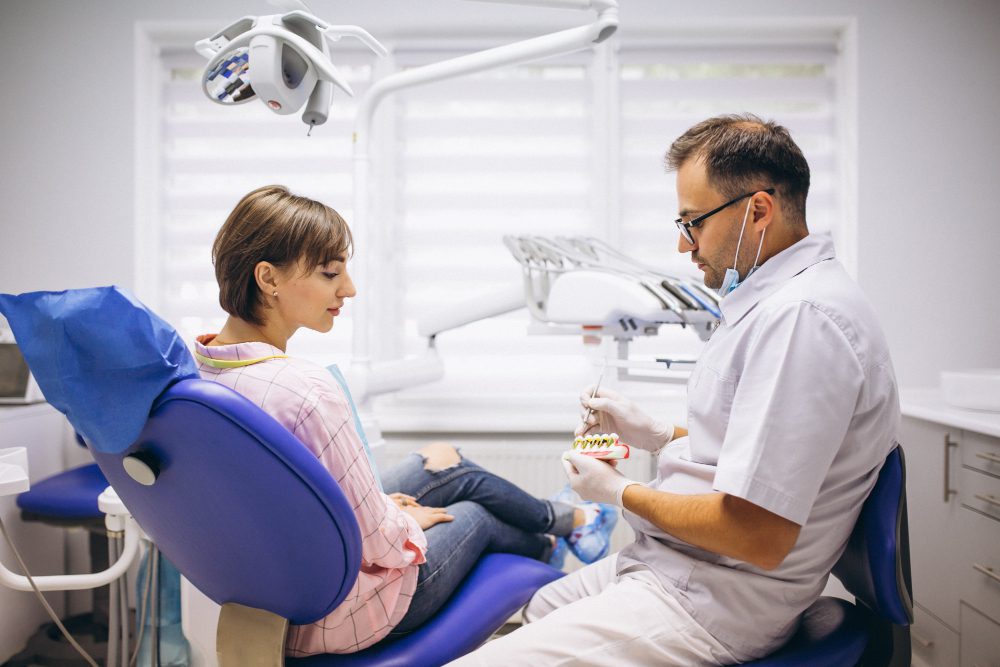
Shared dental offices and space-use arrangements
Overview
Shared dental offices — multiple independent practitioners using a single facility — can be highly efficient. They can also create overlapping liability exposure, HIPAA cross-contamination risk, co-employment issues with shared staff, and state-dental-board compliance questions if the arrangement isn’t structured tightly. We draft the documents that make a shared arrangement work without compromising each practitioner’s professional autonomy.
What we handle
- Space-use, subleasing, and cost-allocation agreements
- Shared-staff and co-employment-avoidance documentation
- HIPAA protocols and patient-record-separation requirements
- State dental-board compliance and delegation-of-duties review
- Insurance and malpractice coordination among shared practitioners
Common pitfalls we plan around
- Cost-sharing arrangements that the IRS or state regulators may recharacterize as joint practice
- Shared staff that creates inadvertent co-employment liability
- HIPAA protocols that allow patient information to cross practitioner lines
We were unable to validate your request.
Your request has been submitted. One of our advisors will contact you.
Our Process
How Can Our Team Help You to Reach Your Goals
01
Planning
Dentists interested in this arrangement should first assess their needs and goals, including the type of shared services they require and the desired level of collaboration with other practitioners. It is essential to establish clear communication protocols, delineate responsibilities, and define the scope of shared services. Dentists should also assess their financial capabilities and develop a comprehensive budget that considers rent, utility expenses, and shared staff salary arrangements. By thorough planning and engaging appropriate legal and professional resources, dentists can effectively navigate the process and set up a successful shared office space and shared staff arrangement.
02
Negotiating
Dentists should engage in productive negotiations to establish mutually agreeable terms and conditions. This includes discussing and finalizing the details of the lease agreement for the shared office space, including rent, length of lease, and any shared expenses. Negotiations should also cover the shared staff arrangement, addressing matters such as staffing requirements, responsibilities, compensation, and scheduling. A clear and detailed contract should be drafted to outline the agreed-upon terms, ensuring that all parties are protected, and that the shared arrangement operates smoothly and efficiently. By approaching negotiations with the spirit of cooperation and seeking mutually beneficial solutions, dental practitioners can successfully establish a dental shared office space and shared staff arrangement.
03
Executing
Dentists working in shared office space and sharing staff can experience numerous benefits stemming from cost savings, increased efficiency, and a collaborative environment. By sharing office space, dental professionals can reduce expenses associated with rent, utilities, and equipment, making it more financially viable to establish or expand their practices. Shared staff arrangements allow dentists to optimize resources, increase appointment availability, and provide a broader range of services to patients. Additionally, the collaborative environment fosters professional networking, knowledge sharing, and potential referrals among dentists, enhancing professional growth and expanding patient bases. Overall, working in shared office space and sharing staff can create a supportive and efficient environment that benefits both dental practitioners and their patients.