
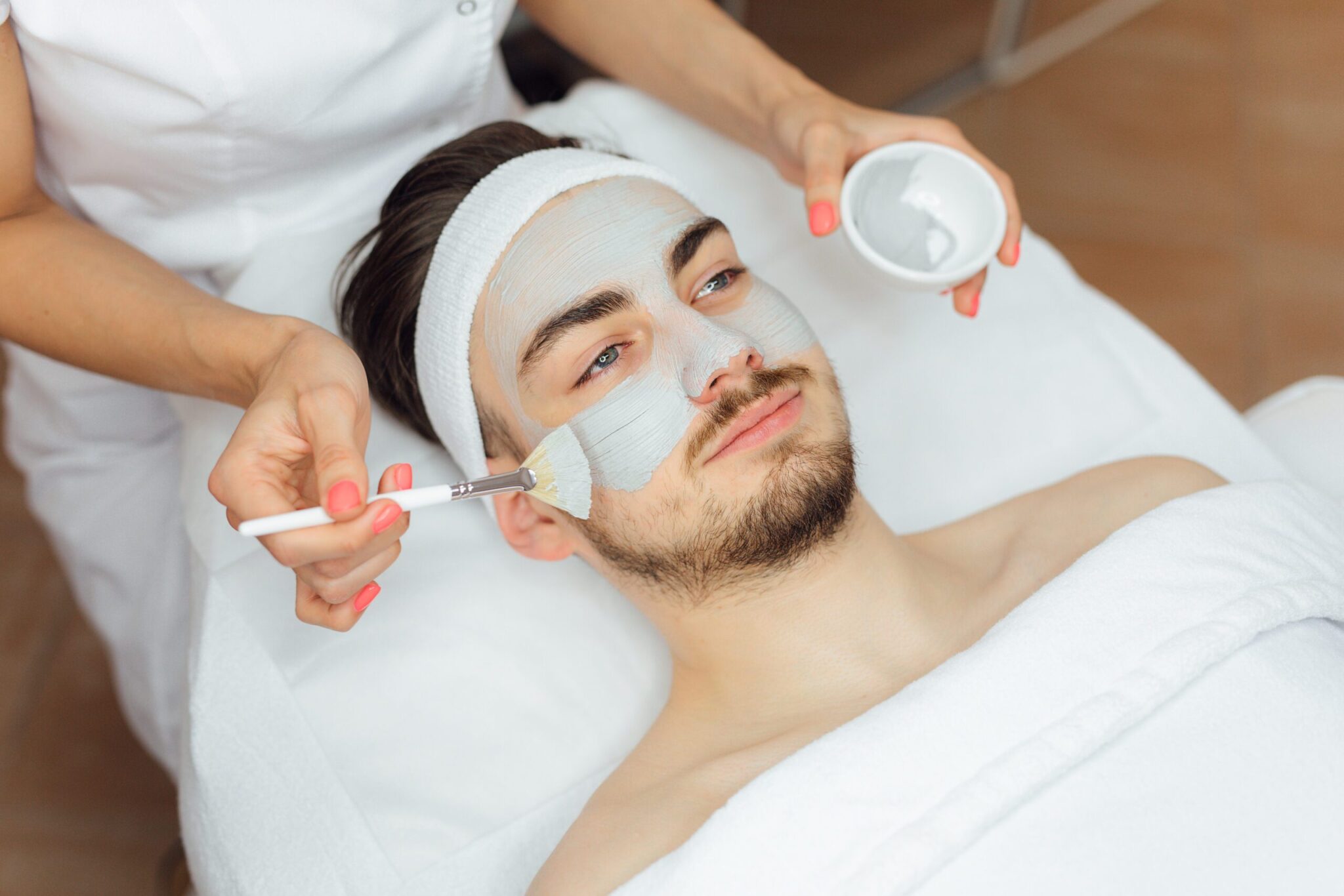
Operating a medical spa can be both rewarding and complex, as you blend aesthetic services with medical treatments. In this environment, complaints and legal issues can arise from dissatisfied clients, unexpected treatment outcomes, or regulatory missteps. Being prepared and responding effectively is essential to safeguarding your reputation and maintaining a successful business. Throughout this process, a strong partnership with an attorney can be the key to navigating these challenges smoothly.
First, establish a clear process for handling client complaints. When a client expresses dissatisfaction, encourage them to communicate their concerns in writing, and respond promptly with empathy and professionalism. Having a consistent protocol (such as documenting every interaction, noting the specific issues raised, and outlining steps to address them) helps you resolve problems swiftly. An attorney can review and refine your complaint-handling procedures, ensuring they meet state regulations and protect your practice’s interests.
Next, recognize the types of legal challenges unique to a medical spa environment. Claims of malpractice, negligence, or violation of consumer protection laws can result from procedures that go awry or from marketing that may be perceived as misleading. Additionally, healthcare regulations mandate that certain treatments only be performed by or under the supervision of licensed professionals. An attorney well-versed in healthcare law can provide guidance on how to remain compliant, reducing the likelihood of facing costly lawsuits or regulatory penalties.
Comprehensive documentation and transparent communication are essential for avoiding and managing legal disputes. Maintain meticulous records of each client’s treatment history, including consent forms, instructions given, and follow-up care. Clear, legally sound consent forms that explain potential risks and realistic outcomes are invaluable should a complaint escalate. A qualified attorney can help draft and update these forms, ensuring that they are legally enforceable and aligned with the latest industry standards.
Finally, never underestimate the role of legal counsel in preventing and addressing issues. From reviewing contracts with suppliers or service providers to representing you in disputes, an attorney is instrumental in keeping your medical spa operations above board. By consulting a legal professional, you’re better equipped to develop sound policies, minimize risks, and swiftly handle any legal challenges that arise. In a sector as multifaceted as medical aesthetics, partnering with an attorney is a proactive move that helps secure your spa’s success and protects your business from avoidable legal pitfalls.
Related reading
- Overview of Medical Board Regulations for Medical Spas
- What to Know About Medical Spa Franchise Agreements in Florida
- Advertising and Marketing Regulations for Medical Spas in Florida
- Florida’s Telehealth Laws and Regulations: A Guide for Healthcare Providers and Patients
- Florida’s Fraud, Waste, and Abuse Regulations in Healthcare
Practice area: Med Spa Attorney in Florida: Buying and Selling a Med Spa
This article is for informational purposes only and is not legal advice. No attorney-client relationship is formed by reading it.