
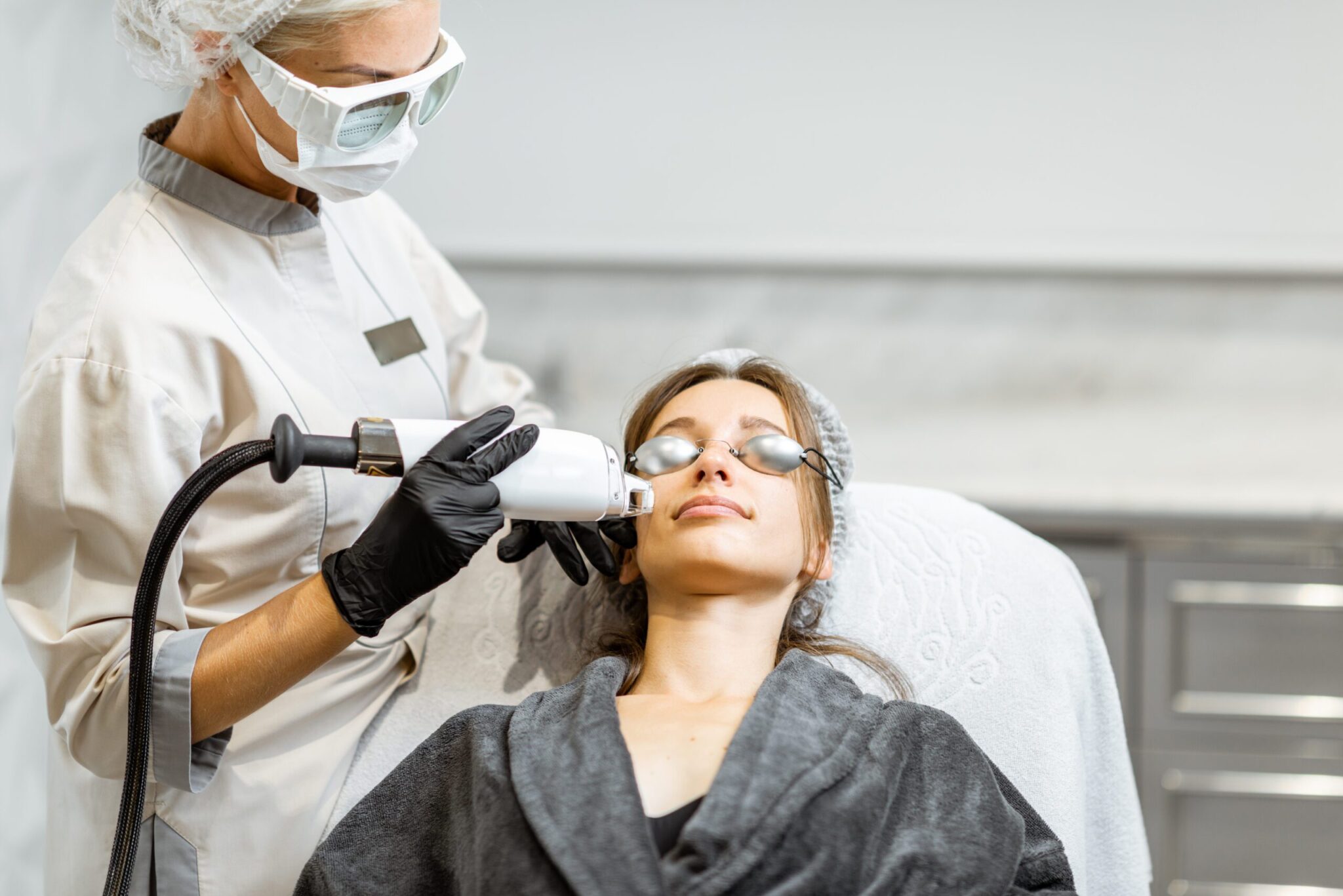
In the wake of heightened concerns about patient safety, Florida imposes stringent infection control rules on medical facilities, including medical spas. These standards cover everything from sterilization protocols and equipment maintenance to documentation and staff training. Complying with these regulations isn’t just a matter of good practice; it’s a legal necessity. Having a dedicated business law attorney help draft and review your policies can reduce your exposure to regulatory risks and lawsuits.
First, let’s talk about sterilization and sanitation protocols. Medical spas that perform injectables, microneedling, and laser procedures must adhere to state-mandated guidelines for cleaning and sterilization of tools and surfaces. For example, single-use devices must be properly disposed of, while reusable instruments require specific sterilization procedures. Records of sterilization cycles and tracking logs need to be maintained. An attorney can guide you in implementing legally compliant protocols and documentation systems to satisfy Florida Department of Health inspections and ensure ongoing compliance.
Next, staff training and credentialing are critical and legally binding. Regulations require that all personnel be trained in infection control practices, including bloodborne pathogen training and protocols for managing exposure incidents. Improperly trained staff not only jeopardize patient safety but also expose your facility to legal liability. A knowledgeable attorney can help develop effective training programs, ensure proper staff credentialing, and confirm that your policies reflect the most current legal standards.
Additionally, effective documentation and compliance auditing help demonstrate due diligence. You must have written policies explaining your infection control measures, and these must be reviewed and updated regularly. In the event of an inspection or a complaint, proper documentation can help your practice avoid enforcement actions and demonstrate your commitment to patient safety. An attorney’s oversight during audits and policy reviews can reinforce your legal standing and reduce liability risks.
In conclusion, Florida’s infection control regulations for medical spas and clinics are comprehensive and legally enforceable. Equipping your facility with the proper protocols, training, and documentation is not optional; it’s essential. Partnering with an experienced healthcare business law attorney helps your practice remain compliant, protect your patients, and avoid costly regulatory pitfalls. Invest in legal guidance now to build a safer, stronger, and more reputable medical spa or clinic.
Related reading
- Key Considerations for Signing a Franchise Agreement in the Medical Spa Industry
- Florida Regulations for Telemedicine in Medical Spas and Clinics
- Florida Licensing Requirements for Medical Spas
- Non-Surgical Aesthetic Procedures: What Can and Cannot Be Performed in Florida?
- Legal Aspects of Consent Forms for Cosmetic Procedures in Florida
- Are Medical Spas Subject to the Corporate Practice of Medicine Doctrine in Florida?
- Starting an Aesthetic Practice in Florida: Legal Considerations
Practice area: Med Spa Attorney in Florida: Buying and Selling a Med Spa
This article is for informational purposes only and is not legal advice. No attorney-client relationship is formed by reading it.